Panjabi Go Blog
Our resources and updates to help you learn Panjabi.
More articles, page 4
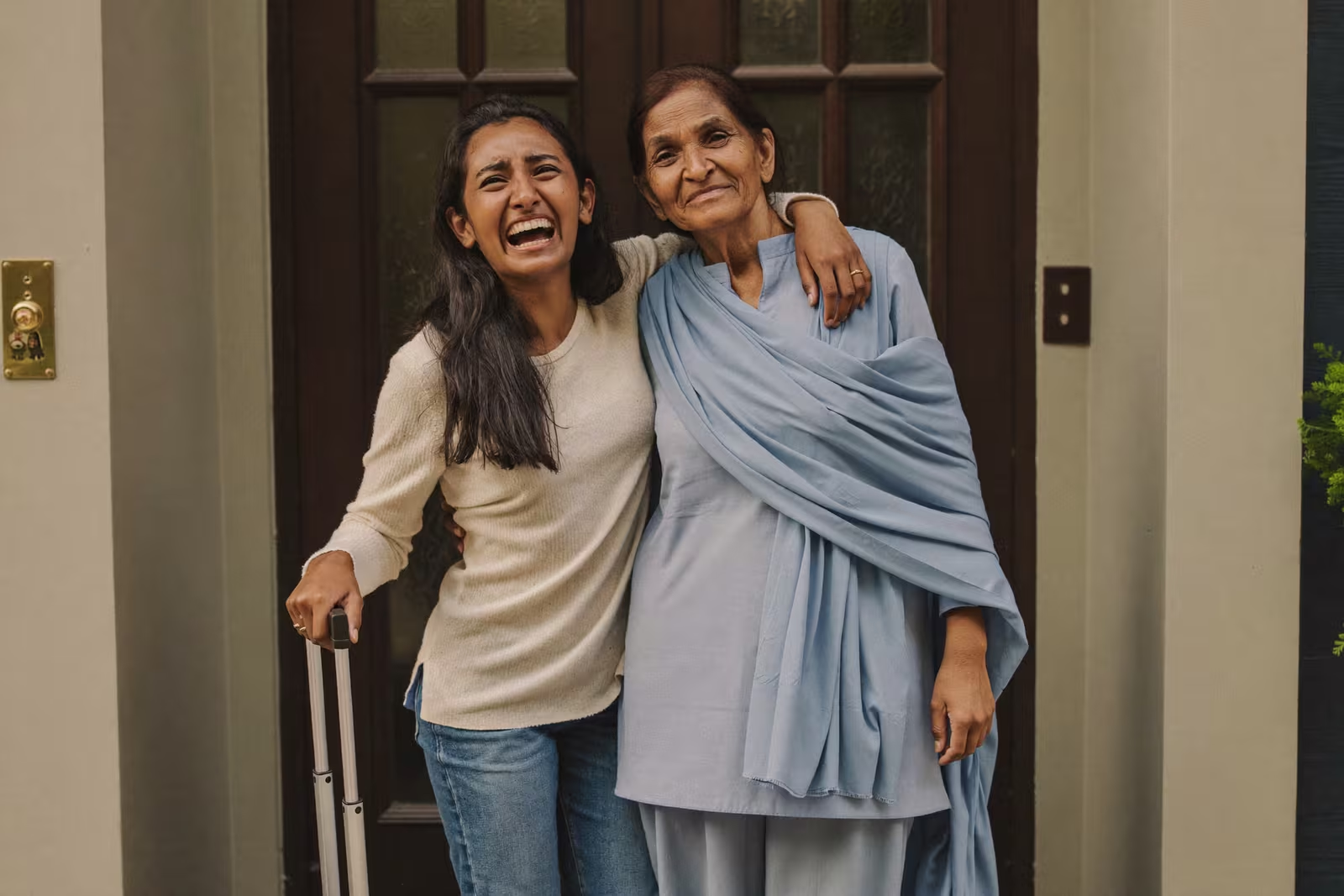

How to Say Your Feelings in Punjabi: Emotions Vocabulary
Express your feelings in Punjabi: emotions vocabulary in Gurmukhi with pronunciation, from khush and dukhi to gussa and dar, plus how to say I feel sentences.
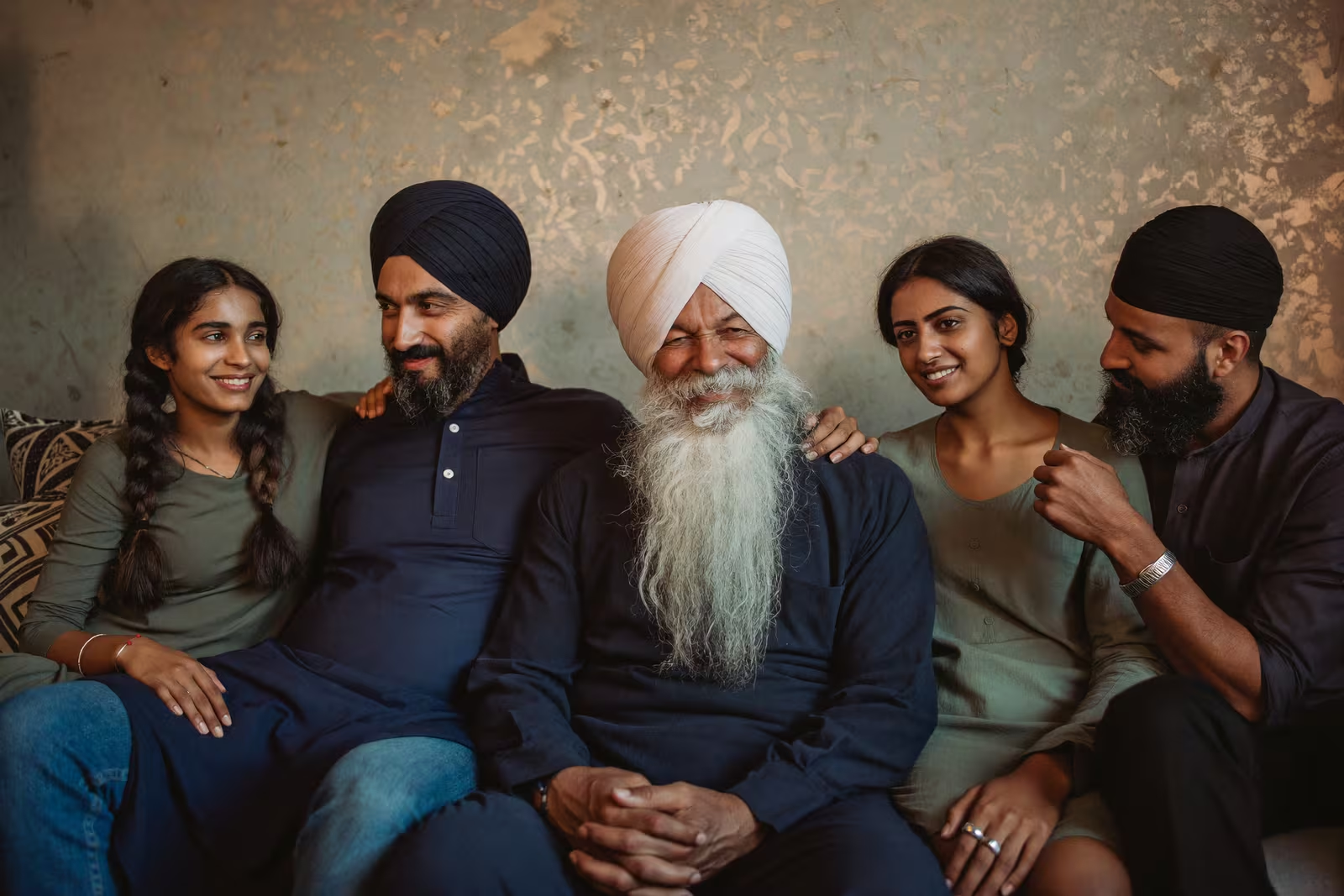
Punjabi Family Words: Every Relative's Name (Diaspora Guide)
A complete guide to Punjabi family words, every relative's name in Gurmukhi with pronunciation, including the maternal vs paternal terms that confuse learners.
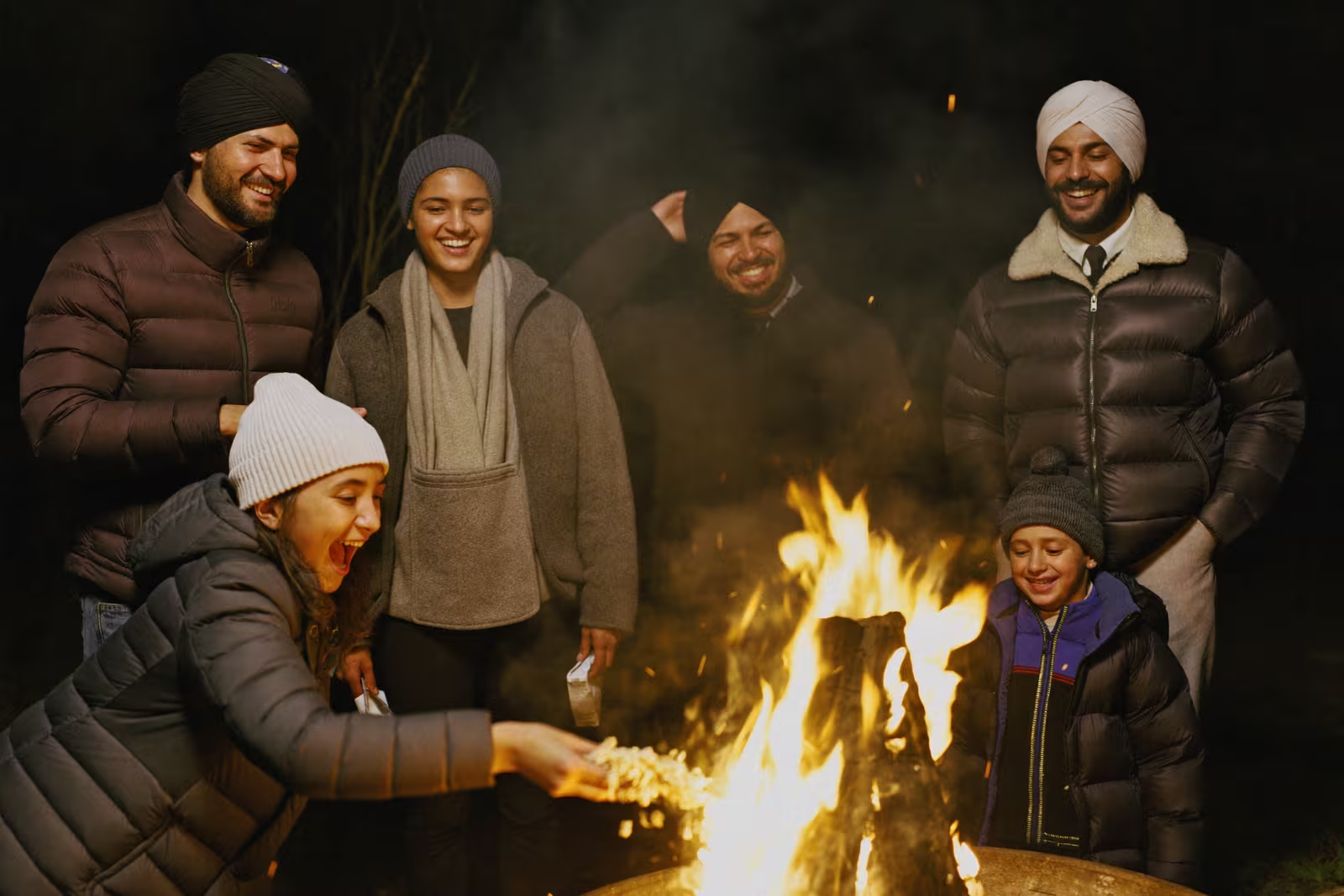
Punjabi Culture and Festivals: Vaisakhi, Lohri and More
A guide to Punjabi festivals and culture: Vaisakhi, Lohri, Bandi Chhor Divas and more, what they celebrate, and the greetings that go with them.
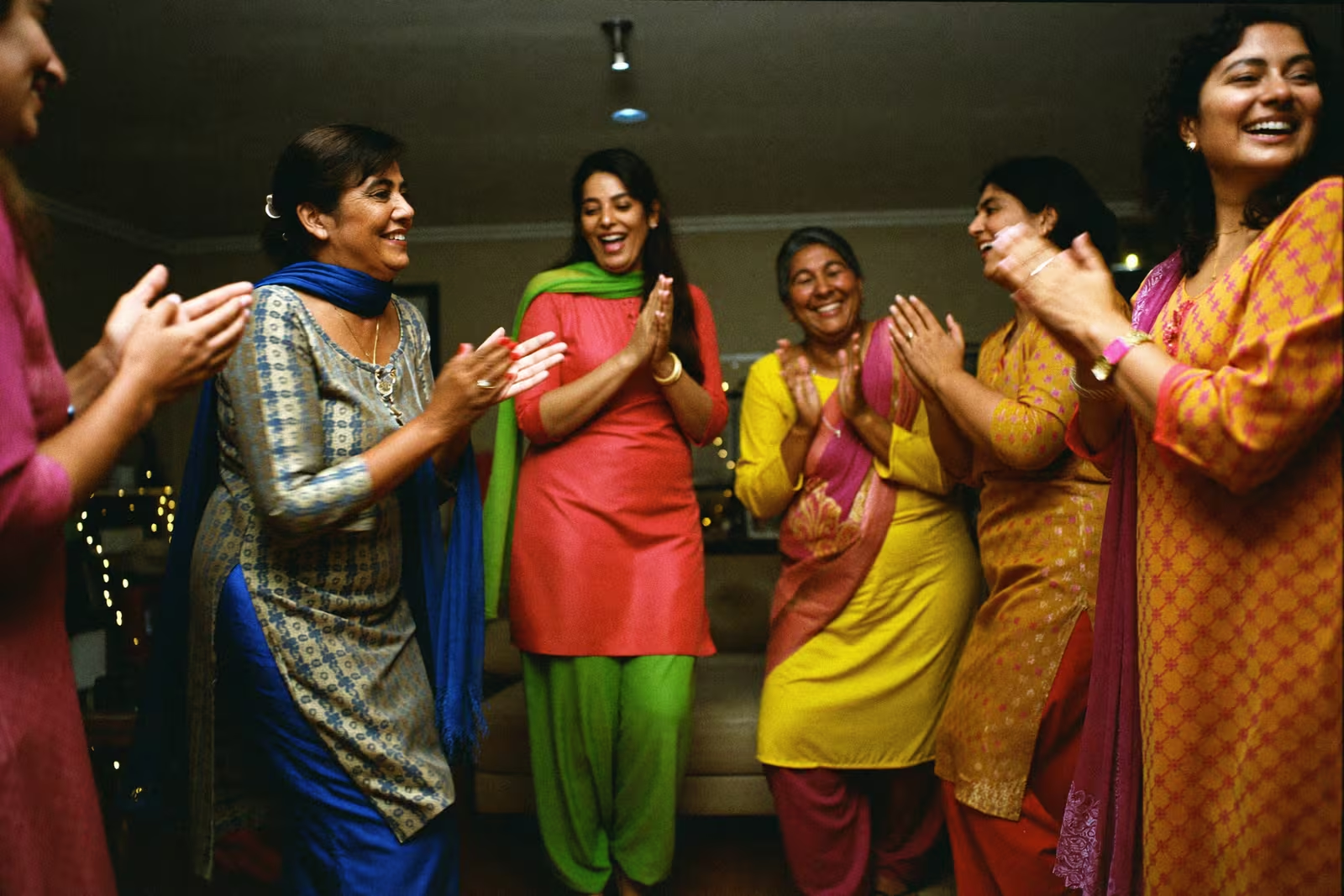
Learning Punjabi Through Boliyan and Folk Songs
Boliyan, giddha and bhangra lyrics are a backdoor into Punjabi. Why folk songs teach rhythm, vocabulary and culture better than any drill.
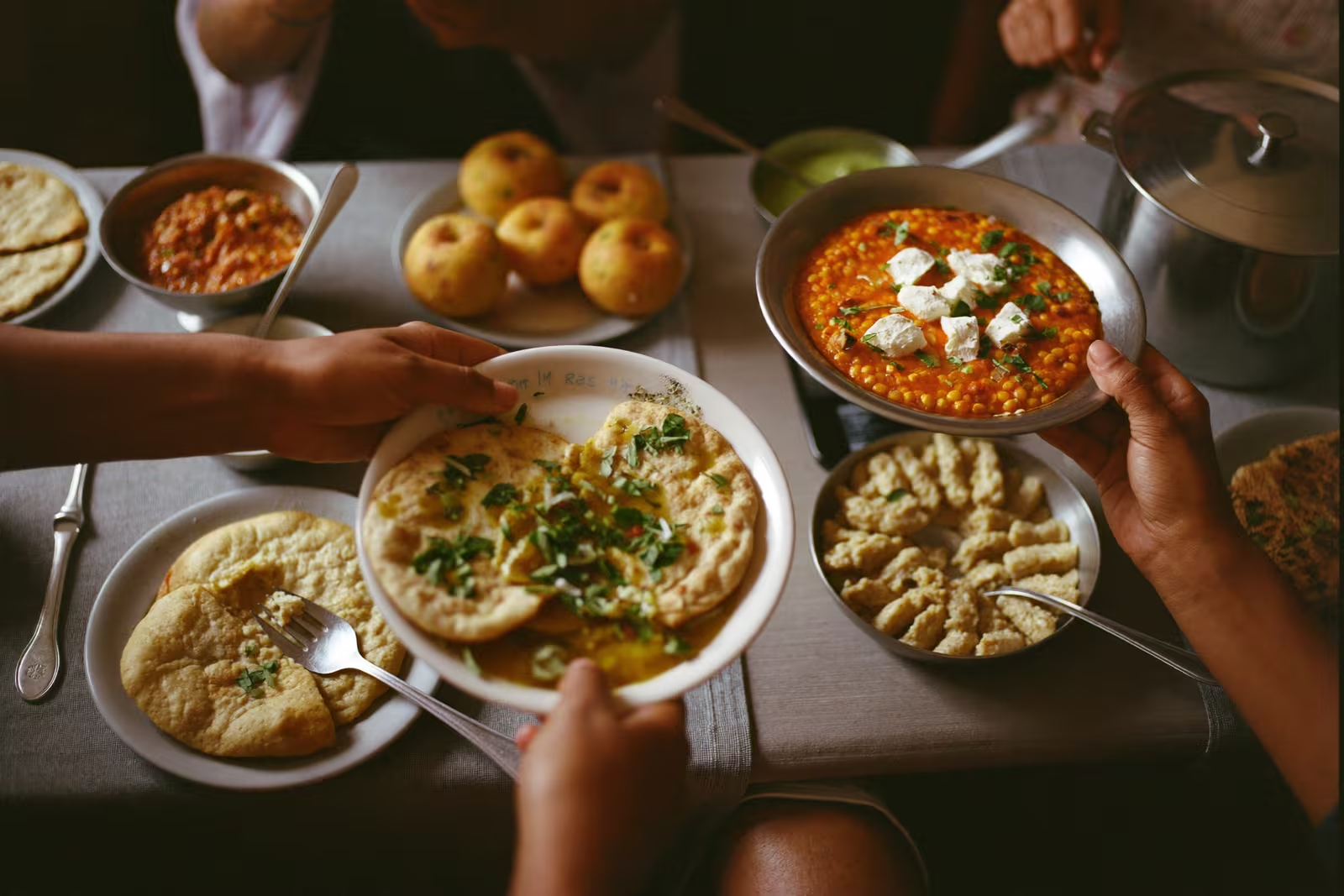
Punjabi Food Words: A Menu and Kitchen Vocabulary Guide
Punjabi food vocabulary: staple dishes, kitchen words, and how to order and talk about food, in Gurmukhi with pronunciation.
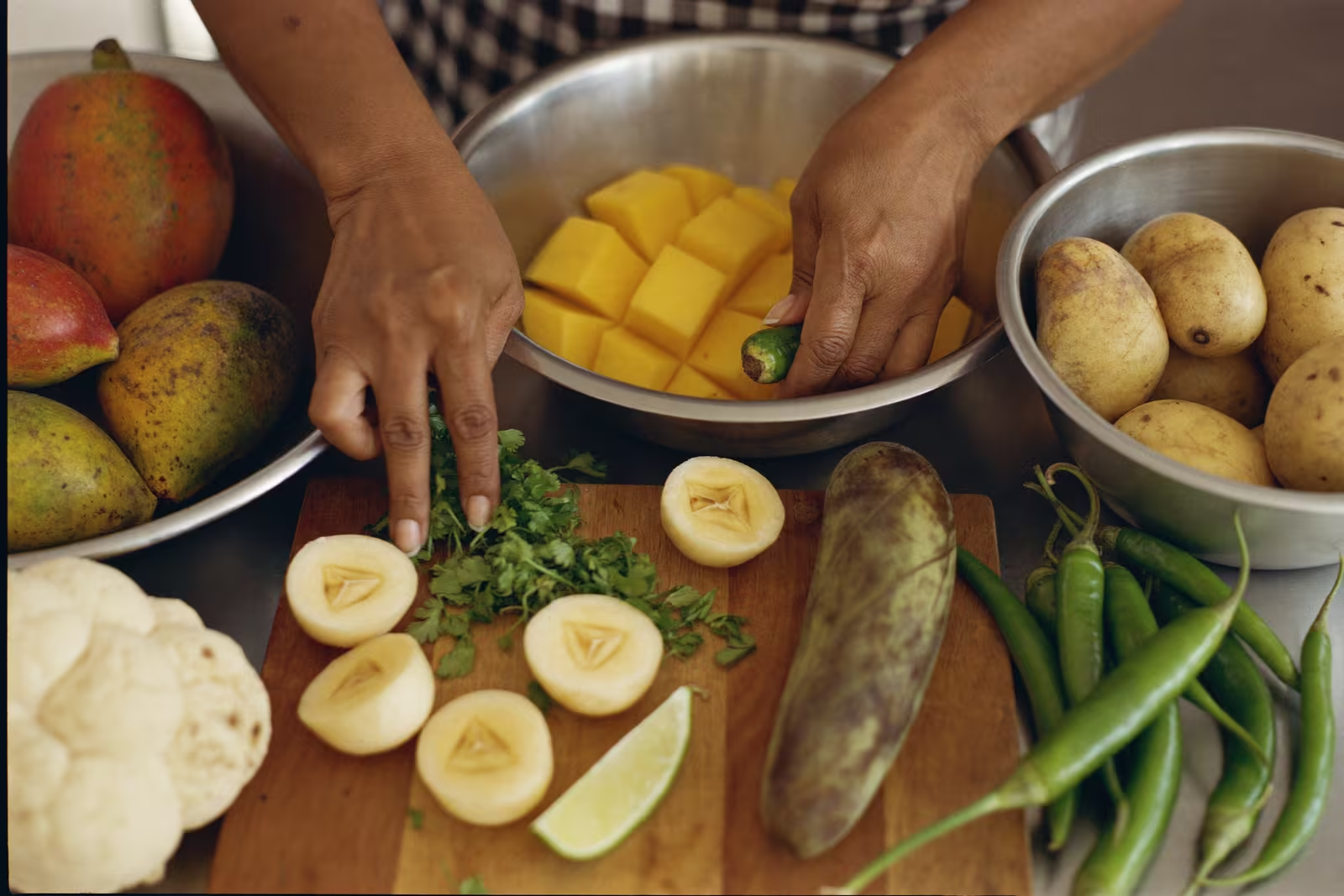
Punjabi Names for Fruits and Vegetables
Punjabi names for fruits and vegetables in Gurmukhi with pronunciation: amb, kela, aalu, gobi and more. Practical words for the sabzi mandi.

Future Tense in Punjabi: How to Say What You Will Do
How to say what you will do in Punjabi. The future tense endings by person and gender, with a clear table and simple example sentences for beginners.
Masculine and Feminine in Punjabi: How Noun Gender Works
Every Punjabi noun is masculine or feminine, and adjectives and verbs follow along. Here is how gender actually works, with examples and the patterns to spot.
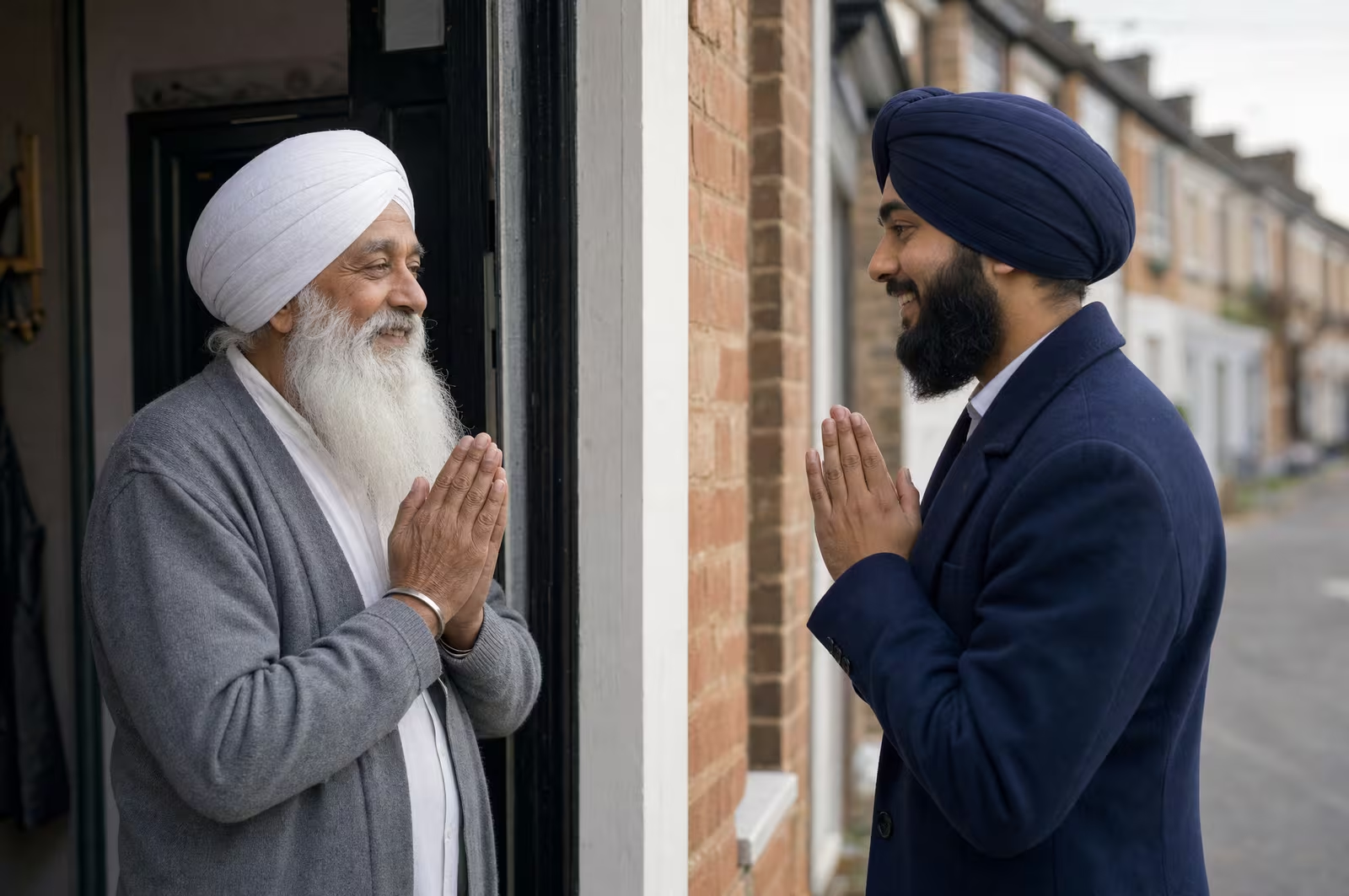
Punjabi Greetings: Sat Sri Akal and How to Say Hello
How to greet someone in Punjabi, Sat Sri Akal, its meaning and when to use it, plus other greetings and farewells in Gurmukhi with pronunciation.
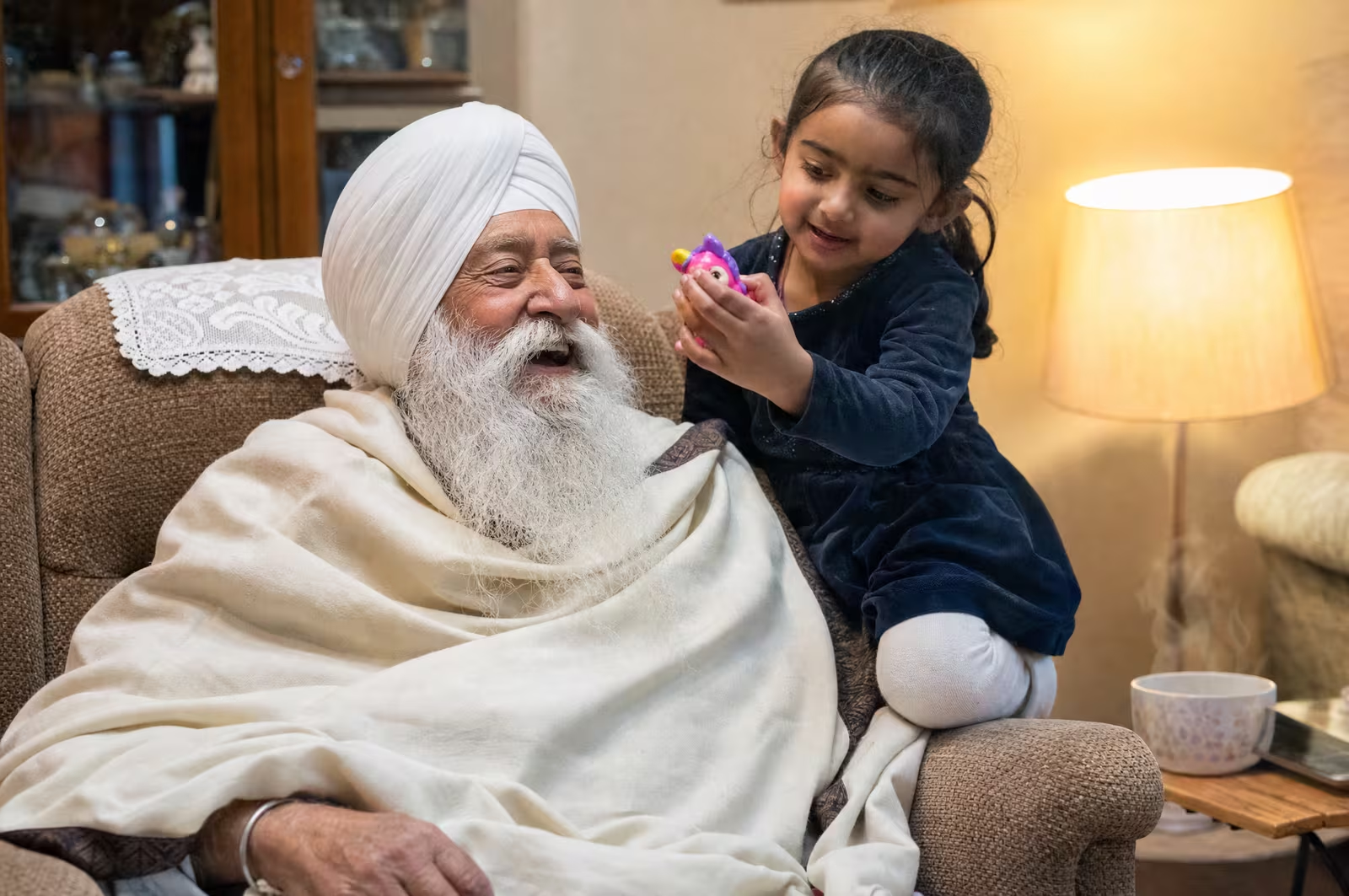
Punjabi Words for the Home: Rooms, Furniture and Objects
Punjabi vocabulary for the home in Gurmukhi with pronunciation: rooms, furniture and everyday objects, from ghar and rasoi to mez and kursi.
A new way to learn Panjabi
Join Panjabi Go and start your Panjabi learning journey today