Happy in Punjabi is khush (ਖੁਸ਼), sad is udaas (ਉਦਾਸ), angry is gussa (ਗੁੱਸਾ) and fear is dar (ਡਰ). Say main khush haan for "I am happy". Anger and fear usually come to you instead: mainu gussa aaya means "I got angry" and mainu dar lagda hai means "I feel afraid".
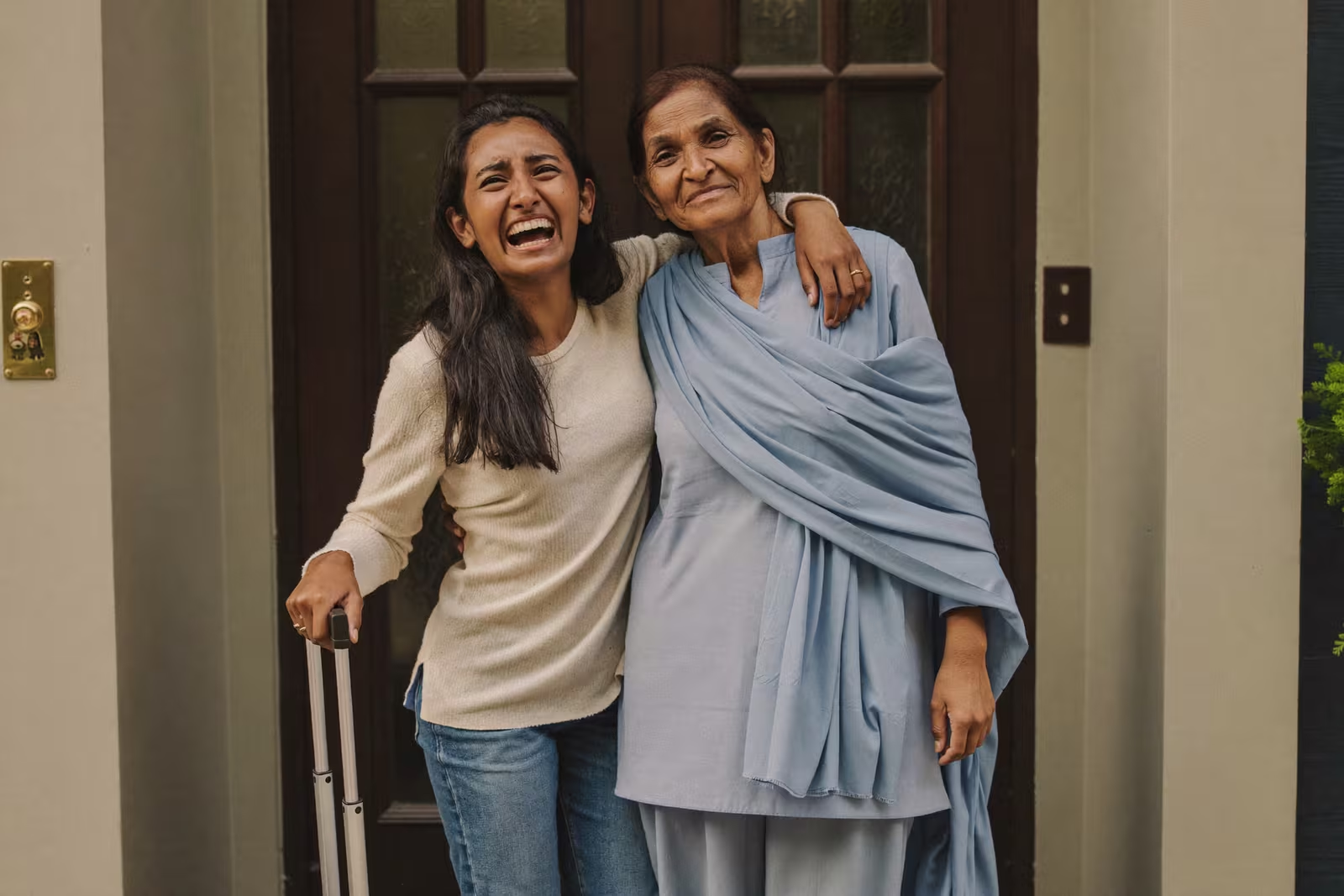
For most of my life, my emotional vocabulary in Punjabi was about three words wide. I could say khush (happy) because relatives said it at weddings, and that was roughly it. Everything more complicated, frustrated, anxious, proud, I defaulted to English, even mid-Punjabi-sentence. And I noticed something: the conversations where I switched to English were the ones that actually mattered. The deep ones with my nani, the ones where I wanted to say how I felt, were exactly the ones I couldn't hold in Punjabi. That's a strange kind of distance to feel from your own family. So I went and learned the feeling words properly, and they changed the conversations.
What are the basic emotions in Punjabi?
| English | Gurmukhi | Pronunciation |
|---|---|---|
| Happy | ਖੁਸ਼ | khush |
| Sad | ਉਦਾਸ | udaas |
| Sad / grieving | ਦੁਖੀ | dukhi |
| Angry | ਗੁੱਸਾ | gussa |
| Afraid | ਡਰ | dar |
| Tired | ਥੱਕਿਆ | thakkya |
| Worried | ਫ਼ਿਕਰ | fikar |
| Surprised | ਹੈਰਾਨ | hairaan |
| Bored | ਅੱਕਿਆ | akkya |
| Proud | ਮਾਣ | maaṇ |
A quick distinction worth getting right: udaas is everyday sad, the down-in-the-dumps kind, while dukhi carries deeper pain or grief. Dukh (ਦੁੱਖ) is suffering itself, and it's the opposite of sukh (comfort, ease). You'll hear sukh-dukh together as a pair, meaning the ups and downs of life. maaṇ (ਮਾਣ), pride, is a warm word, the pride a parent feels, not arrogance, which is a different word entirely.
How do you say "I feel" in Punjabi?
Here's where it gets practical, and a little different from English. Punjabi often expresses feelings as something that happens to you or attaches to you, rather than something you simply "are". The grammar runs through the verb honaa (to be), which you'll know from Punjabi Verbs: To Be and Building Sentences.
The simplest pattern uses a pronoun plus the feeling plus the right form of to be:
- Main khush haan (ਮੈਂ ਖੁਸ਼ ਹਾਂ): "I am happy"
- Main udaas haan (ਮੈਂ ਉਦਾਸ ਹਾਂ): "I am sad"
- Asi(n) bahut khush haan (ਅਸੀਂ ਬਹੁਤ ਖੁਸ਼ ਹਾਂ): "we are very happy"
Getting the pronoun and the haan / hai / ho ending to agree is the whole game here, which is exactly the territory of the Punjabi Pronouns Guide. Match those right and these sentences come out clean.
Feelings that "come" to you
This is the bit that trips up English speakers. Anger and fear in Punjabi often come to you rather than being a state you're in. You use the verb aaunaa (to come) with the postposition nu (to):
- Mainu gussa aaya (ਮੈਨੂੰ ਗੁੱਸਾ ਆਇਆ): literally "anger came to me", meaning "I got angry"
- Mainu dar lagda hai (ਮੈਨੂੰ ਡਰ ਲਗਦਾ ਹੈ): "I feel afraid" (fear attaches to me)
- Mainu fikar hai (ਮੈਨੂੰ ਫ਼ਿਕਰ ਹੈ): "I'm worried"
Once you spot the pattern, mainu ... aaya or mainu ... lagda hai, it unlocks a huge range of feelings. It's less "I am angry" and more "anger arrived", which is closer to how anger feels. The same lag verb turns up in Punjabi weather talk, where mainu sardi lag gayi means "I've caught a cold".
Asking how someone feels
Conversation goes both ways, so you'll want to ask:
- Tusi(n) kive(n) ho? (ਤੁਸੀਂ ਕਿਵੇਂ ਹੋ?): "how are you?" (respectful)
- Ki gall hai? (ਕੀ ਗੱਲ ਹੈ?): "what's the matter?"
- Tu theek hai(n)? (ਤੂੰ ਠੀਕ ਹੈਂ?): "are you okay?" (casual)
That last one, theek (ਠੀਕ, fine / okay), is the most-used word in any Punjabi check-in, and theek haan ("I'm fine") will be your most common reply.
The words that close the distance
Learning these didn't just add vocabulary, it changed which conversations I could have. The first time I told my nani mainu fikar si (I was worried) about her health, in Punjabi, instead of switching to English, something shifted. She answered differently. The feeling words are the ones that let you actually be yourself in the language, not just transact in it. They're worth more than their length on a list.
Start with just two, khush and theek, and use them today when someone asks how you are. And because feeling words live or die on tone, the warmth in khush, the weight in dukhi, hearing them from a native speaker matters more here than with almost any other vocabulary. That's the part Panjabi Go is built to give you.