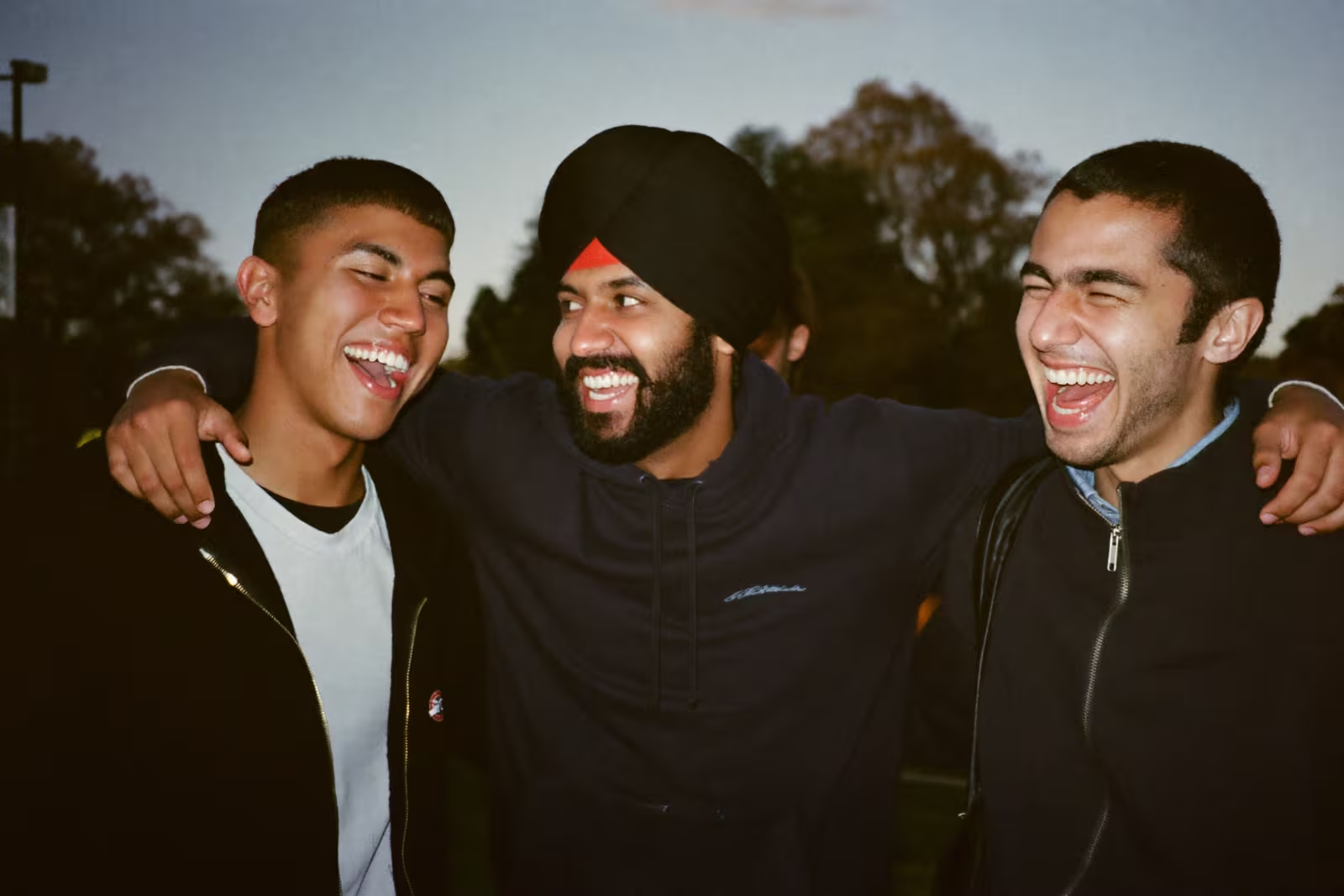
The everyday Punjabi slang you will hear most is oye (ਓਏ, hey), yaar (ਯਾਰ, mate), chak de (ਚੱਕ ਦੇ, let's go), balle balle (ਬੱਲੇ ਬੱਲੇ, woohoo) and haina (ਹੈਨਾ, right?). Most of it is for friends, cousins and people your own age; use it with an elder you have just met and you will sound rude.
Textbooks taught me polite Punjabi. My cousins taught me real Punjabi. There is a gap between the two, and it is wide enough that the first time I dropped a careful, grammatically perfect sentence at a family table, my younger cousin laughed and said I sounded like a news reader. The words that actually make you sound like you belong are not in any formal lesson. They are the oyes and the yaars and the little exclamations that carry all the warmth and the teasing and the energy of how Punjabis actually talk.
A quick, important caveat before the list: register matters. Almost everything here is for friends, cousins and people your own age. Use it with an elder you have just met and you will sound rude, not relaxed. Read the room. With that said, here is the casual Punjabi I wish someone had taught me sooner.
How do you say "hey" in Punjabi slang?
Oye (ਓਏ) is the big one. It is "hey," but warmer and more familiar, the sound of getting a friend's attention across a room. "Oye, kithe hai tu?", "hey, where are you?" There is also the softer ni (ਨੀ) used toward girls and women, and ve (ਵੇ) toward boys and men, the kind of thing you hear in folk songs and in your mum calling you in for food.
| Word | Gurmukhi | Pronunciation | Sense |
|---|---|---|---|
| oye | ਓਏ | oye | hey (friendly) |
| yaar | ਯਾਰ | yaar | mate, buddy |
| bai / bhai | ਭਾਈ | bhai | bro |
| acha | ਅੱਛਾ | achha | oh I see / okay |
| lai | ਲੈ | lai | here, take it / oh come on |
Yaar is probably the word you will reach for most. It means "friend" but works like "man" or "mate" dropped into the middle of a sentence: "Yaar, mainu nahi pata", "man, I do not know." Sprinkle it in and your Punjabi instantly sounds lived-in rather than learned.
What does chak de mean in Punjabi?
This is the part of Punjabi that everyone recognises even if they speak none of it, because it is loud and joyful.
Chak de (ਚੱਕ ਦੇ) literally means "lift it up" but functions as "let's go," "come on," "smash it." Chak de phatte is the full, triumphant version, a battle cry at a wedding, a match, a dance floor. You do not really translate it, you feel it.
| Phrase | Gurmukhi | Pronunciation | Sense |
|---|---|---|---|
| chak de | ਚੱਕ ਦੇ | chak de | let's go / smash it |
| balle balle | ਬੱਲੇ ਬੱਲੇ | balle balle | woohoo / well done |
| shabaash | ਸ਼ਾਬਾਸ਼ | shabaash | bravo, well done |
| wah | ਵਾਹ | waah | wow |
| mauj | ਮੌਜ | mauj | a great time, bliss |
Balle balle is pure celebration, the sound of bhangra and good news. You will hear it most at weddings, often from someone in a bright kurta and pagg. Shabaash is how an elder praises you, and one of the few on this list you can absolutely say upward, to a child or a younger person, with full warmth.
Everyday casual fillers
These are the small words that grease real conversation, the ones fluent speakers drop without thinking.
| Word | Gurmukhi | Pronunciation | Sense |
|---|---|---|---|
| theek-thaak | ਠੀਕ-ਠਾਕ | theek-thaak | so-so, alright |
| bas | ਬੱਸ | bas | enough / that's it |
| chal | ਚੱਲ | chal | come on / alright then |
| haina | ਹੈਨਾ | haina | right? isn't it? |
| kamaal | ਕਮਾਲ | kamaal | amazing, incredible |
Chal is wonderfully flexible. It is "let's go," but also "fine, whatever," and "chal theek hai" is the universal Punjabi way to wrap up a conversation, equal parts agreement and goodbye. And haina tacked onto the end of a statement turns it into "...right?", fishing for agreement, exactly like a verbal nudge.
A small warning about the spicy stuff
Punjabi has a rich, legendary stock of stronger slang and insults, and you will hear plenty of it traded affectionately between close friends. I am deliberately not listing those here, because the line between affectionate ribbing and offence is entirely about who is saying it to whom, and as a learner you will land on the wrong side of that line more often than not. Learn those by ear, from people who can show you the boundaries, not from a blog.
Where casual fits in
The goal is not to replace your polite Punjabi but to add a second gear. You greet an elder with a proper Sat Sri Akal, and you greet your cousin with "oye, ki haal hai yaar?" Both are correct, they just live in different rooms. Once the everyday basics in the common Punjabi words post feel solid, this casual layer is what makes you sound like you grew up in it, and it pairs naturally with the five everyday phrases every beginner starts with. And when an elder answers you with a saying instead of a sentence, my list of Punjabi proverbs, or akhaan will help.
Slang is almost entirely about delivery. Chak de read flat off a page is just two words. Chak de with the right rise and punch is a whole mood, and you only get that by hearing it. This casual register, more than any other part of the language, has to come through your ears, the timing, the energy, the way yaar stretches out. That is why hearing native speakers say these, over and over, beats any written list, and it is the part of learning I cared most about getting right when building Panjabi Go. Learn the polite Punjabi to be respected. Learn this to be one of the family.