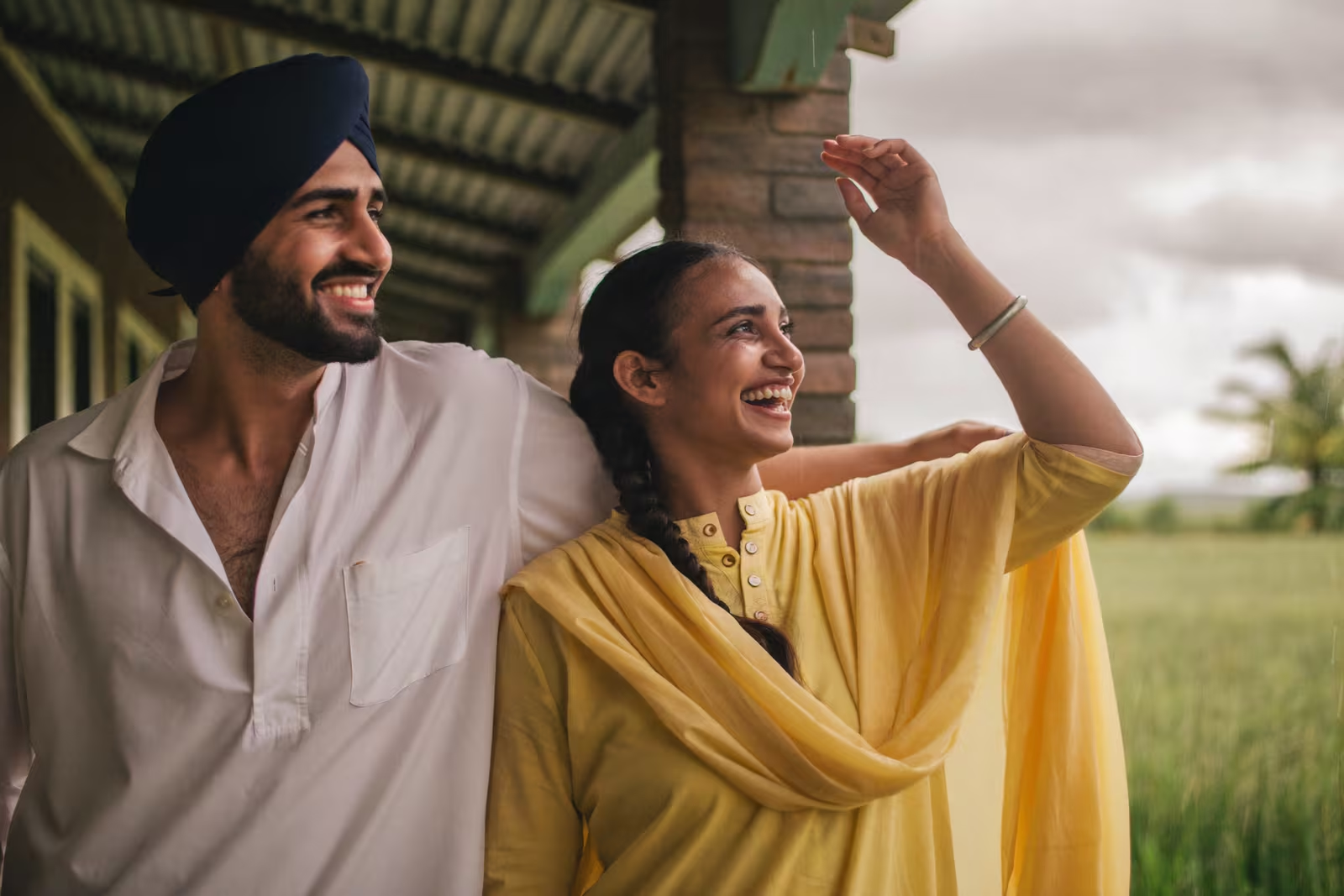
Weather in Punjabi is mausam (ਮੌਸਮ), and two words carry most weather talk: garmi (ਗਰਮੀ, heat) and sardi (ਸਰਦੀ, cold). Rain is meeh(n) (ਮੀਂਹ), the monsoon is barsaat (ਬਰਸਾਤ), and the sentence you'll use most in summer is bahut garmi hai (ਬਹੁਤ ਗਰਮੀ ਹੈ), "it's very hot".
Every phone call to my nani in the village started the same way, before any actual news: a weather report. Aaj bahut garmi hai (it's very hot today), or meeh pai riha hai (it's raining). For years I let those sentences wash over me, nodded, and slipped into English whenever I could, because my Punjabi had gone rusty. It took me embarrassingly long to realise that weather is the safest conversation in any language. Nobody judges your grammar when you're complaining about the heat. So if you want a low-stakes way to actually start speaking Punjabi to a relative, this is it.
The everyday weather words
| English | Gurmukhi | Pronunciation |
|---|---|---|
| Weather | ਮੌਸਮ | mausam |
| Rain | ਮੀਂਹ | meeh(n) |
| Sun | ਧੁੱਪ | dhupp |
| Heat | ਗਰਮੀ | garmi |
| Cold | ਸਰਦੀ | sardi |
| Wind | ਹਵਾ | hawa |
| Cloud | ਬੱਦਲ | baddal |
| Storm | ਤੂਫ਼ਾਨ | toofaan |
| Fog | ਧੁੰਦ | dhund |
| Lightning | ਬਿਜਲੀ | bijli |
| Snow | ਬਰਫ਼ | baraf |
| Sky | ਅਸਮਾਨ | asmaan |
Note that bijli (ਬਿਜਲੀ) does double duty: it means both lightning and electricity, which makes total sense once you've sat through a Punjab power cut during a storm and watched the lights flicker with the sky.
How do you say hot and cold in Punjabi?
Two words carry most of your weather conversations, and they're worth saying right because they come up daily.
garmi (ਗਰਮੀ) is heat, and Punjab does heat properly. By May the plains can sit well past 40C, the air goes still, and everyone retreats indoors by midday. The adjective is garam (ਗਰਮ, hot), which you'll also hear about tea and food. Summer is also mango season, and amb is on my list of Punjabi fruits and vegetables.
sardi (ਸਰਦੀ) is cold, and it has a second life as a word for a head-cold too, mainu sardi lag gayi meaning "I've caught a cold". The adjective form is thanda (ਠੰਡਾ, cold), the one you'll reach for describing water or weather. Like the colour words in Punjabi Colours in Gurmukhi, thanda shifts its ending for gender: thandi hawa (cold wind, feminine).
What are the seasons called in Punjabi?
Punjab's calendar is really built around a handful of seasons, and two of them dominate everything:
| Season | Gurmukhi | Pronunciation |
|---|---|---|
| Summer | ਗਰਮੀਆਂ | garmiyaan |
| Winter | ਸਰਦੀਆਂ | sardiyaan |
| Monsoon / rainy season | ਬਰਸਾਤ | barsaat |
| Spring | ਬਸੰਤ | basant |
Notice the seasons for hot and cold are just the plurals of garmi and sardi. Tidy.
barsaat (ਬਰਸਾਤ), the monsoon, is the one that changes the whole country's mood. After months of dry heat, the first proper rain in July turns the fields the deep green I only ever saw in my dad's old photos. It's a relief you can feel in how people talk about it.
basant (ਬਸੰਤ) is spring, and if it sounds familiar that's because Basant Panchami, the kite-flying, yellow-everything festival, is named for it. It sits in the same cultural calendar as the festivals I wrote about in Vaisakhi and Lohri.
Sentences you can actually use
The vocabulary is useless until it's in a sentence, so here are the ones I actually say:
- Aaj mausam changa hai (ਅੱਜ ਮੌਸਮ ਚੰਗਾ ਹੈ): "the weather is nice today"
- Bahut garmi hai (ਬਹੁਤ ਗਰਮੀ ਹੈ): "it's very hot"
- Meeh pai riha hai (ਮੀਂਹ ਪੈ ਰਿਹਾ ਹੈ): "it's raining"
- Bahut thand hai (ਬਹੁਤ ਠੰਡ ਹੈ): "it's very cold"
- Dhupp nikli hai (ਧੁੱਪ ਨਿਕਲੀ ਹੈ): "the sun is out"
These pair naturally with telling someone the day or time, so it's worth pairing this list with Punjabi Days, Months and Time: "it's cold today" only really lands when you can also say which day today is, or what time it is.
Why I'd start here
Weather words are the cheapest speaking practice you'll ever get. There's no pressure, the same five sentences cover ninety percent of the conversation, and you get to use them every single day. I started saying aaj garmi hai to my nani instead of "it's hot here", and within a couple of weeks the small talk stopped being in English at all. That little wedge of confidence is what opens the rest of the language.
The one thing a table can't give you is the actual sound, the nasal in meeh(n), the soft dhupp. That's the gap Panjabi Go fills, with native-quality audio and pronunciation feedback so you can hear these out loud and check your own before you say them down the phone.