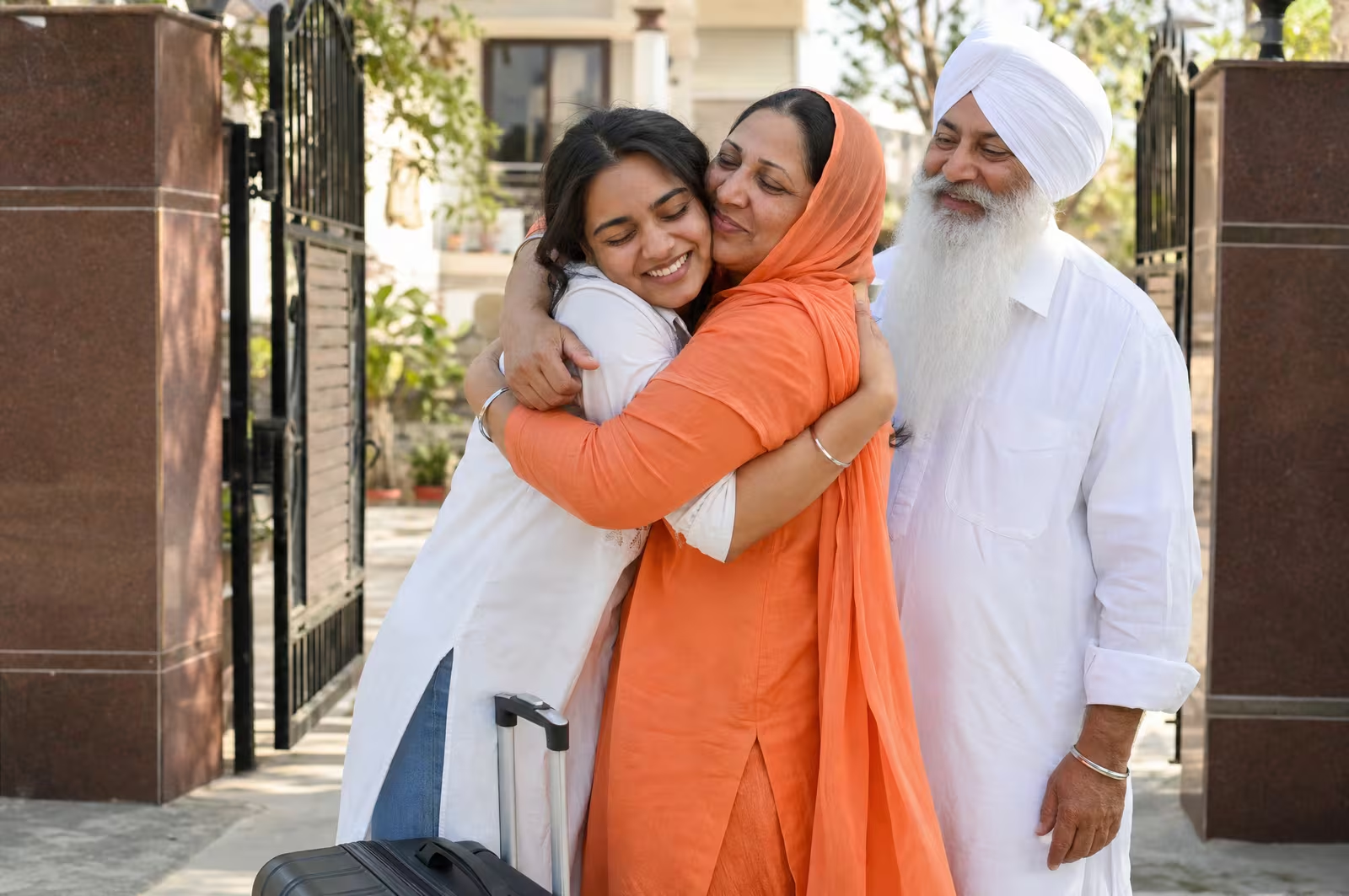
Before visiting Punjab, learn four things: the greeting sat sri akal (ਸਤਿ ਸ੍ਰੀ ਅਕਾਲ), kinne paise? (ਕਿੰਨੇ ਪੈਸੇ?) for "how much?", challo (ਚੱਲੋ) for "let's go", and main panjabi sikh reha haan (ਮੈਂ ਪੰਜਾਬੀ ਸਿੱਖ ਰਿਹਾ ਹਾਂ), "I am learning Punjabi". That last sentence makes elders slow down, smile and start coaching you. Knowing the Gurmukhi letters well enough to sound out a bus board helps too.
The first time I went back to the pind as an adult, I had a passport full of confidence and a Punjabi that had gone rusty in the UK. I could understand the relatives swarming the car, but their fast village Punjabi left me grabbing for words, and my sentences kept trailing off halfway. My cousin ended up finishing them for me, to my own family, which is a humbling thing to fly six thousand miles to experience.
Do not be me. You do not need fluency to visit Punjab, but a pocketful of the right phrases changes the whole trip: warmer welcomes, smoother autos, fairer prices, and the priceless look on an elder's face when the diaspora kid actually says something. Here is what to load in before you fly.
How do you greet people in Punjab?
These come first because you will use them within ninety seconds of landing.
- ਸਤਿ ਸ੍ਰੀ ਅਕਾਲ (sat sri akal): the universal Sikh/Punjabi greeting, hands together, to almost anyone.
- ਕਿਵੇਂ ਹੋ? (kivein ho?): how are you? To an elder, kivein ho ji? with the respectful ji.
- ਠੀਕ ਹਾਂ (theek haan): I am fine.
- ਬਹੁਤ ਧੰਨਵਾਦ (bahut dhanvaad): thank you very much. Though in Punjab, gratitude is often shown by action more than this formal word, so do not over-use it like an English tourist.
For the full warmth-and-etiquette version of greetings, including the ji honorific that smooths every interaction, my Punjabi phrases for travellers goes deeper. In a crowded bazaar you will also want the Punjabi for sorry and excuse me.
What do you say to an auto driver in Punjab?
Transport in Punjab runs on negotiation and a bit of banter. The auto-rickshaw driver will quote a number. You are expected to talk it down, friendly, never aggressive.
| English | Punjabi | Say it |
|---|---|---|
| How much? | ਕਿੰਨੇ ਪੈਸੇ? | kinne paise? |
| Too much | ਬਹੁਤ ਜ਼ਿਆਦਾ | bahut zyaada |
| Let's go | ਚੱਲੋ | challo |
| Stop here | ਇੱਥੇ ਰੋਕੋ | ithe roko |
| How far? | ਕਿੰਨੀ ਦੂਰ? | kinni door? |
| Straight / left / right | ਸਿੱਧਾ / ਖੱਬੇ / ਸੱਜੇ | sidha / khabbe / sajje |
Challo is your most useful word in the country. It means "let's go", "come on", "alright then", and roughly forty other things depending on tone. Punjabis run on challo. For finding your way on foot, I collected the Punjabi words for directions in their own guide.
The haggling instinct carries straight into the markets too. If you are heading to Ludhiana's bazaars or a village shop, the phrases for bargaining without offending anyone are worth their own read, and I laid them out in Punjabi shopping and bargaining phrases.
At the table, and there is always a table
Punjabi hospitality is a force of nature. You will be fed relentlessly. The vocabulary you need is mostly about graceful surrender.
- ਪਾਣੀ (paani): water. Learn this one first, you will need it constantly.
- ਚਾਹ (chah): tea. You will be offered it roughly every forty minutes. Accept some of them.
- ਬਹੁਤ ਸਵਾਦ (bahut swaad): very tasty. Say it about the food and watch the cook light up.
- ਬਸ, ਬਹੁਤ ਹੋ ਗਿਆ (bas, bahut ho gaya): enough, that's plenty. You will say this many times. It will be ignored many times. Say it anyway.
- ਪੇਟ ਭਰ ਗਿਆ (pet bhar gaya): I'm full. The plea of last resort.
The phrase that opens the pind
If you remember one sentence beyond the greetings, make it this: ਮੈਂ ਪੰਜਾਬੀ ਸਿੱਖ ਰਿਹਾ ਹਾਂ (main panjabi sikh reha haan): I am learning Punjabi. (Women say sikh rahi haan.)
This single sentence transforms how people treat you. Instead of switching to broken English or talking over you, elders slow down, smile, and start gently coaching you. You go from outsider to family-in-progress. I have watched a whole courtyard of taya jis and masis soften the instant they hear it.
A word on the writing on the walls
Everything is in Gurmukhi: shop signs, bus boards, the name of your own pind at the village gate. Even basic letter recognition turns the place from baffling to navigable. You do not need to read fluently before you go, but knowing the akhar well enough to sound out a bus destination is useful, and moving when you realise you can read your family's name in script for the first time.
A quick note on prep
You could absolutely make paper flashcards from this post and that would work. I prepped for trips the harder way before there were good options: tutors I could not schedule, classes I could not reach, and apps that flatly do not offer Punjabi. That gap is the whole reason Panjabi Go exists. For a trip specifically, the useful bits are the native-quality audio so the pind actually understands your kinne paise?, the pronunciation feedback so your aspirated sounds land, and short daily lessons in the weeks before you fly so it is in your head, not on a card you left at the hotel. The Gurmukhi-from-scratch side is what lets you read those bus boards.
But tool aside, the real advice is simple: learn the greetings, learn challo and kinne paise, and learn to say you are learning. Do that, and Punjab will meet you with both arms open. It always does. It just opens them wider for the one who tries to speak.