Head is ਸਿਰ (sir), eye is ਅੱਖ (akkh), hand is ਹੱਥ (hath), foot is ਪੈਰ (pair) and knee is ਗੋਡਾ (goda) in Punjabi. To say a part hurts, add dukhda hai (ਦੁਖਦਾ ਹੈ): mera sir dukhda hai means "my head hurts". For a plural part such as teeth, it becomes dukhde han.
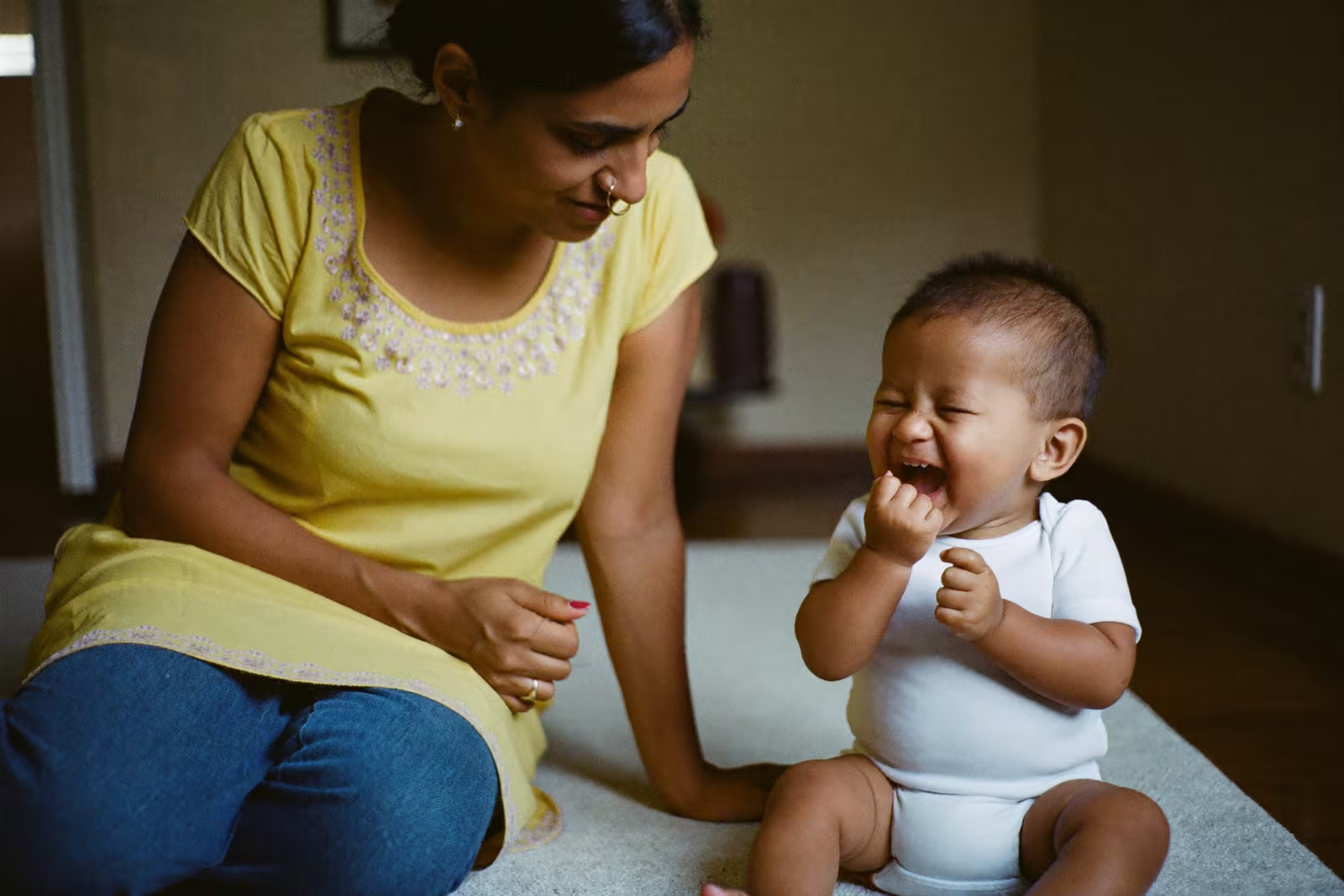
A few years back my niece tripped in the garden and ran inside holding her knee, and I opened my mouth to comfort her in Punjabi and just stopped. I knew the word for "hurts" was in there somewhere from childhood, but the word for knee? Nothing. I grew up speaking Punjabi, but years of English had worn holes in it, and those holes show up in the most ordinary moments: a scraped knee, a relative asking what aches. So I sat down and learned the body, piece by piece, the way a toddler does. Here it is in Gurmukhi with pronunciation. If you are brand new, the 60 words every beginner should know make a good base before this list.
What are the main body parts in Punjabi?
| English | Gurmukhi | Pronunciation |
|---|---|---|
| Head | ਸਿਰ | sir |
| Hair | ਵਾਲ | vaal |
| Eye | ਅੱਖ | akkh |
| Ear | ਕੰਨ | kann |
| Nose | ਨੱਕ | nakk |
| Mouth | ਮੂੰਹ | mooh(n) |
| Tooth | ਦੰਦ | dand |
| Tongue | ਜੀਭ | jeebh |
| Neck | ਗਰਦਨ | gardan |
Arms, hands, and legs
| English | Gurmukhi | Pronunciation |
|---|---|---|
| Hand / arm | ਹੱਥ | hath |
| Finger | ਉਂਗਲ | ungal |
| Leg / foot | ਲੱਤ | latt |
| Foot | ਪੈਰ | pair |
| Knee | ਗੋਡਾ | goda |
| Stomach | ਪੇਟ | pet |
| Back | ਪਿੱਠ | pith |
| Heart | ਦਿਲ | dil |
A lovely one: dil (ਦਿਲ) is "heart" both literally and emotionally, just like in English, so it turns up in countless songs and expressions.
How do you say something hurts in Punjabi?
Pair a body part with this and you can say where it hurts:
- ... dukhda hai (ਦੁਖਦਾ ਹੈ): "... hurts"
- Mera sir dukhda hai (ਮੇਰਾ ਸਿਰ ਦੁਖਦਾ ਹੈ): "my head hurts"
- Mere dand dukhde han (ਮੇਰੇ ਦੰਦ ਦੁਖਦੇ ਹਨ): "my teeth hurt"
Watch the second example: when the part is plural, dukhda shifts to dukhde and hai becomes han. Teeth come as a set, so they take the plural. This is exactly the vocabulary you reach for at a doctor's appointment, or when a small person runs in holding her knee.
What finally stuck for me
The thing that worked was not a worksheet, it was being a nuisance to my own body all day. Putting a hand on each part as I named it, goda for the knee, pith for the back when I bent over my desk, until the word arrived before the English did. Then I forced the words into the dukhda hai frame out loud, because knowing latt is useless if you freeze when someone asks kee dukhda hai. The same point-at-things trick is a small miracle with children: pointing and naming is one of the best kids' learning games, and it builds your own recall too. It works just as well with a picture book of animal names in Punjabi. If you want the wider method, it sits inside the complete beginner's guide, and reading each word aloud cements the script from How to Read Gurmukhi.
Here is the limit of a page like this one: it can hand you the spelling, but it cannot hand you the sound, and the sounds in this list are exactly the ones that trip up diaspora speakers like me. The held akkh, the nasal mooh(n), the difference between sir and a flatter English vowel. Panjabi Go fills that gap with native-quality audio and pronunciation feedback so you hear and correct those sounds, teaches you Gurmukhi from scratch, and uses spaced repetition in short daily lessons so the words are still there the day your niece runs in holding her knee. Try it free.