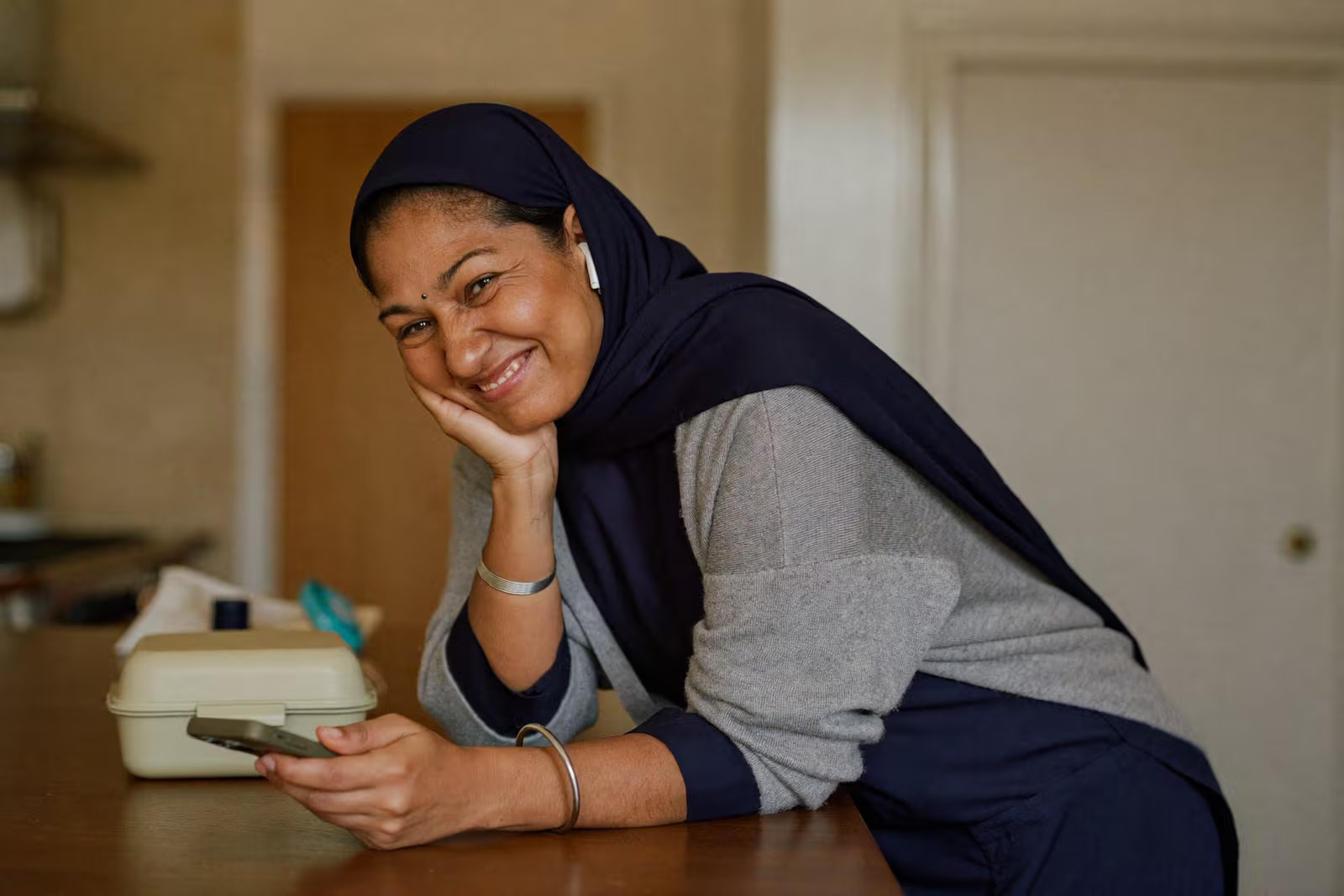
Yes, busy adults can learn Punjabi, and the method that works is ten minutes most days rather than a long weekly session. Anchor the practice to something you already do, review yesterday's words first, then learn new material by ear and say it out loud. Spaced, repeated exposure is what makes words stick.
For years my excuse was airtight: I would learn Punjabi properly when things calmed down. Things never calmed down. There was always a launch, a deadline, a tired evening where the last thing I wanted was homework. If you are an adult telling yourself the same story, I want to gently take the excuse away, because the way most of us imagine learning a language is the exact thing making it impossible.
Is it too late to learn Punjabi as an adult?
There is a myth that adults are bad at languages. We are not. We are slower at some things (perfect accents, mostly) and faster at others, because we understand grammar, we can spot patterns, we know why we want this. The real obstacle is not your aging brain. It is that you have eleven minutes of attention at a time, scattered across a day that belongs to other people.
So stop planning the language-learning life of someone who does not exist. You are never going to do the two-hour Sunday session. Build for the eleven minutes instead.
The case against the big block
When I tried tutoring, the lessons were an hour, weekly, expensive, and at a fixed time my actual week refused to respect. I missed sessions, felt guilty, paid anyway, quit. Classes had the same problem with a commute attached. The format was the failure, not me. If cost is part of the problem, there are good free resources for Punjabi as well.
What survives contact with a busy life is small and frequent. Ten minutes most days beats two hours once a fortnight, and it is not close. This is not motivational fluff, it is how memory works: spaced, repeated exposure moves words from "saw it once" to "it is just there now". A single long cram session is mostly forgotten by Wednesday.
Anchor it to something you already do
The trick that finally worked for me was not willpower. It was attaching the new habit to an old one. I do not have to remember to practise. It is welded to my morning coffee. The coffee is non-negotiable, so now the Punjabi is too.
Pick your anchor:
- The first coffee or chai of the day
- The walk to the car or the station
- The ten minutes before bed when you would otherwise scroll
- Brushing your teeth (audio only, but it counts)
Do not add a new slot to your day. Hide the practice inside a slot that already exists. I wrote out a fuller version of this in my daily Punjabi practice routine, but the headline is: one anchor, every day, small.
What "small" should actually contain
A good ten minutes is not random. Review yesterday's words first (that is the part that makes it stick, so never skip it), then take in new material audio-first and copy it out loud, even badly, especially badly. The block-by-block version is in the routine I linked above, and if you do not know yet what to learn first, my beginner's guide lays out the order.
Saying it out loud matters more than adults expect. Punjabi has aspirated and tonal sounds English simply does not, and the only way the muscles learn them is by making the sound, getting it wrong, and adjusting.
What to expect in the first few weeks
You will not be fluent in a month and anyone selling you that is selling. But you will surprise yourself fast. Within a few weeks of small daily sessions you will catch fragments of family conversation you used to lose entirely. That first time you understand a joke before the English explanation arrives is thrilling. I put realistic milestones in how long it takes to learn Punjabi so you can aim at something true rather than something marketed. For the weeks when progress feels slow, I wrote about staying motivated with Punjabi.
Where an app earns its place
I will be straight about why I leaned on an app, and eventually built one. As a busy adult my biggest enemies were friction and decision fatigue. A tutor meant scheduling. A textbook meant deciding what to study. By 9pm I had no decisions left in me.
An app removes the deciding. Panjabi Go is built for exactly this person: it serves you the right review at the right time using spaced repetition, so you never plan a session, you just open it and the day's ten minutes is already laid out. The native-quality audio with pronunciation feedback means I could practise out loud and know whether my bh was landing, no tutor required. And it teaches Gurmukhi from the 35 akhar up, so reading is on the table, not just speaking. The streak, which I used to roll my eyes at, turned out to be the quiet thing that kept the habit alive on the days I could not be bothered.
None of that is magic. It is just friction removed from a person who has none to spare.
So here is my actual advice, the whole thing in one breath: pick one anchor in your existing day, do ten minutes, review yesterday first, say it out loud, and let the days stack. The busy adult who does that beats the enthusiastic one waiting for life to calm down. Life is not going to calm down. Start in the eleven minutes you have.